
This post contains affiliate links.
On Your Home Your Heart, discover how choosing the right internal door styles, finishes, and hardware can seamlessly tie your rooms together and finally make your renovation feel complete.
There is a moment in most home projects when the walls are painted, the flooring is down and the furniture is in place, yet something still feels slightly unfinished. Very often, the culprit is the doors. Internal doors are easy to overlook because we walk through them dozens of times a day without thinking, but they appear in almost every room and hallway. When they are tired, mismatched or simply the wrong style for the house, they quietly hold the whole scheme back.
The good news is that choosing the right internal doors is less about following trends and more about understanding your home. Here is a practical guide to the main styles and how to pick the ones that will make your space feel complete.
Start with the character of your home
Before looking at any particular door, take a walk around your house and think about its age and architecture. A Victorian terrace, a 1930s semi and a new-build flat each have their own personality, and the doors that suit one may look out of place in another.
Older properties often have taller ceilings, deeper skirting boards and decorative cornicing. Panelled doors tend to sit comfortably in these homes because they echo the detailing elsewhere. Newer homes, with cleaner lines and simpler trims, usually suit flush or minimally detailed doors. That said, there are no strict rules. The aim is for the doors to feel as though they belong, rather than as though they were added as an afterthought.
Panelled doors: a timeless choice
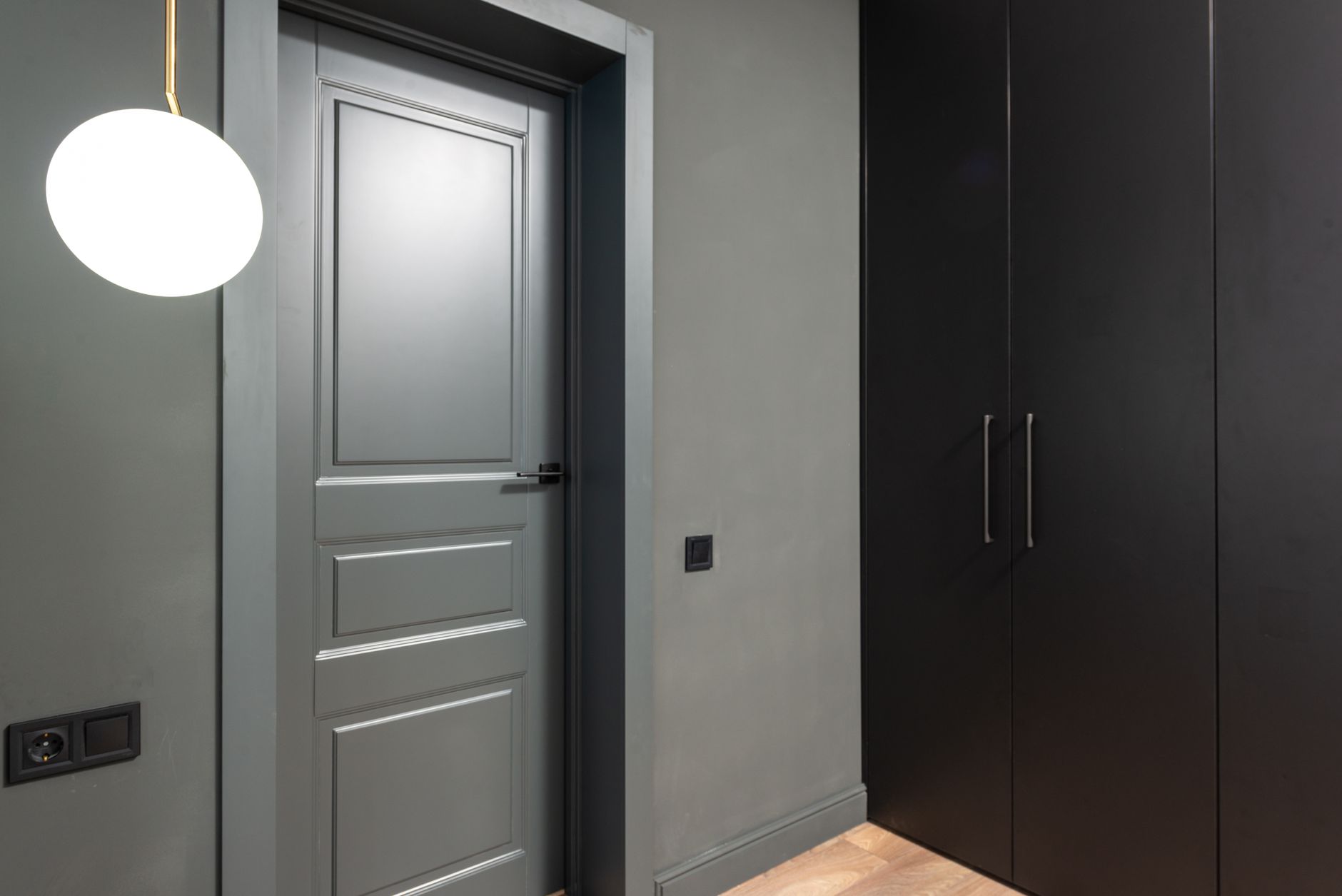
Panelled doors are probably the most familiar style in British homes. The classic four-panel and six-panel designs suit period properties well, while two- and three-panel versions offer a slightly simpler look that can bridge traditional and modern styles.
Shaker-style doors, with their recessed flat panels and square edges, have become a popular middle ground. They have enough detail to feel considered, but they are plain enough to sit happily in a contemporary kitchen or living room. If you are unsure which direction to go, a shaker or simple panelled door is often a safe and attractive option.

Flush doors: clean and understated
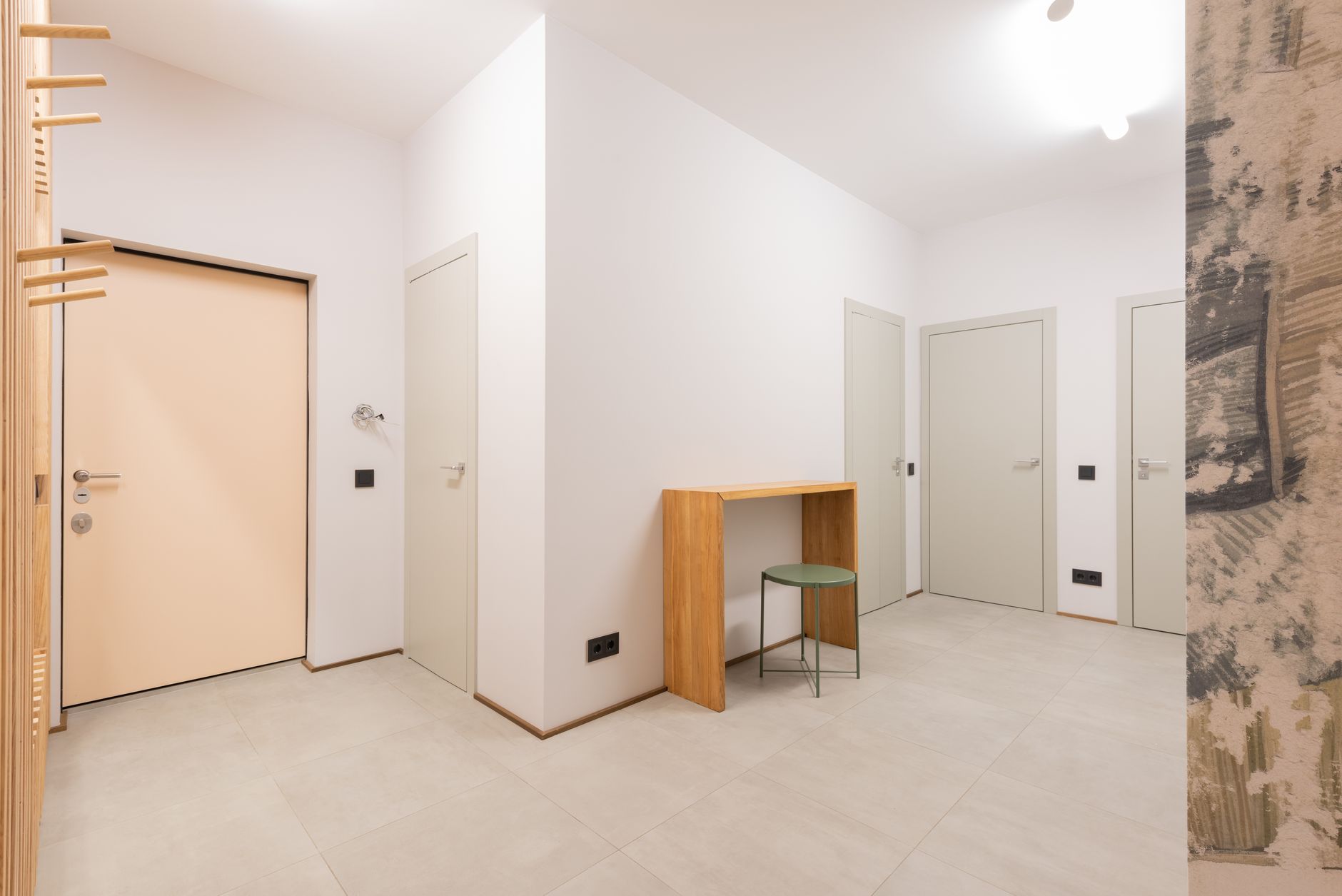
Flush doors have a completely flat face, with no panels or mouldings. They work well in modern interiors where you want the doors to recede and let other features take centre stage. A flush door in a natural wood veneer, such as oak or walnut, can add warmth without visual clutter, while a painted flush door can disappear almost entirely into a wall of the same colour.
Flush doors are also easy to keep clean, as there are no grooves for dust to collect in, which is worth considering in busy family homes.

Glazed doors: letting the light through
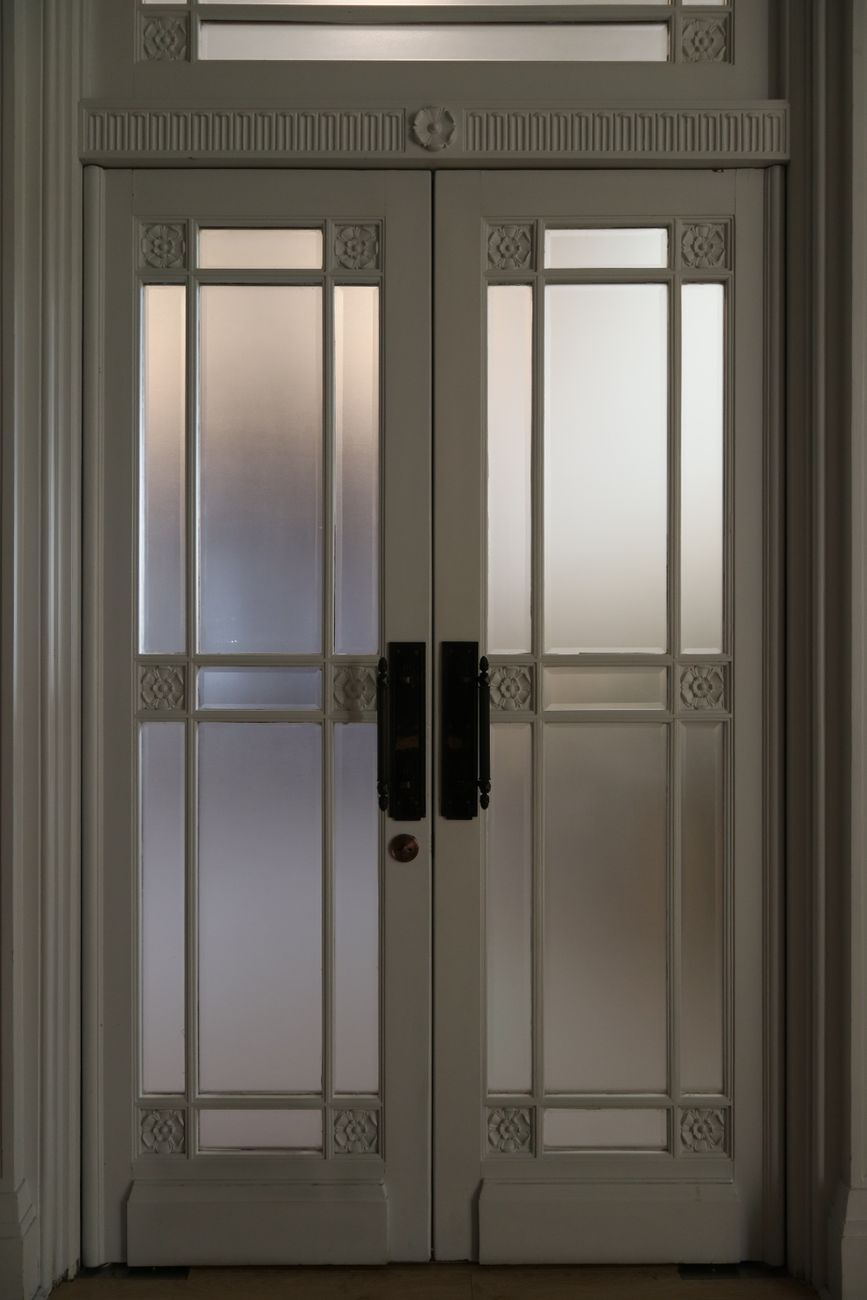
If you have a dark hallway or a room with limited natural light, glazed internal doors can make a noticeable difference. Light from one room can pass through into the next, which helps spaces feel more open and connected.
Clear glass gives the brightest result, while frosted or obscured glass offers more privacy, which is useful for rooms such as a home office or a downstairs cloakroom. Doors with several smaller glass panes, sometimes called industrial or crittall-style designs, can become a feature in their own right, particularly between a kitchen and dining area.

Think about the whole house, not just one room
One of the simplest ways to make a home feel finished is consistency. Using the same door style throughout the hallway and landing, where several doors are visible at once, creates a calm and cohesive look. You can still be a little more adventurous in individual spaces, perhaps choosing a glazed door into the kitchen or a pair of doors between two living areas, but having a common thread ties everything together.
It also helps to keep finishes consistent. If you choose oak doors downstairs, matching or complementary oak tones elsewhere will feel more deliberate than a mix of different woods.
Don’t forget the details
The finishing touches can make as much difference as the door itself. Handles, hinges and latches should suit both the door and the rest of your fittings. Brushed brass and aged bronze handles bring warmth to period or traditional schemes, while matt black and satin chrome tend to suit modern homes. Again, using the same handles throughout the house helps everything feel connected.
Colour is another option worth considering. Painted doors do not have to be white. Soft greys, deep greens and navy blues can look striking, especially on panelled or shaker doors. A practical tip is to paint the door and its frame in the same shade for a more polished finish.

Practical points to check
Before buying, measure each door opening carefully, as older homes in particular can have non-standard sizes. Check whether any doors need to meet fire safety requirements, for example the door between an integral garage and the house, or doors in certain loft conversions and flats. If you are unsure, your local building control team or a qualified tradesperson can advise. If you would like to compare styles side by side, browsing a range of internal doors can help you narrow down what suits your home before you commit.
Bringing it all together
Internal doors may not be the first thing guests notice, but they shape the feel of a home every single day. By choosing a style that suits your property, keeping things consistent and paying attention to the small details, you can turn a house that feels almost finished into one that truly feels like home.
—
Lila Parker writes for the team at DoorsDelivered.com, a UK retailer of internal, external and fire doors, covering home improvement and door design.




Author

judieannrose@live.co.uk
Related posts

18 Easy Home Insulation Hacks To Stop Drafts And Keep Warm Air Inside
I put this guide together for renters, homeowners, and anyone living in an older house who wants better comfort without spending a...
Read out all
The Four Hidden Mould Hotspots Living In Everyday Homes
While most households focus their cleaning efforts on scrubbing bathroom tiles and kitchen corners, mould thrives quietly in dry, unsuspecting spots where...
Read out all
Willow & Woods Are Rediscovering A Pre-Raphaelite Heritage Through Wallpaper
British design studio Willow & Woods has launched Margaret: The Visitor's Book Collection, an exquisite series of eight hand-drawn wallpapers directly inspired...
Read out all
10 Strategic Home Improvements That Add The Most Value Before Selling
Preparing a house for the property market requires a calculated approach, focusing heavily on strategic upgrades that yield the highest return on...
Read out all
14 Halloween Table Decor Ideas For A Wickedly Stylish Tablescape (Your Guests Won’t Stop Talking About #6!)
This guide provides practical Halloween table decor ideas that blend dark color palettes, gothic charcuterie, moody glassware, and warm candlelight without cluttering...
Read out all
How To Modernize An Outdated Kitchen Without A Full Renovation
Smart homeowners skip the skip hire. Strategic cosmetic updates deliver a high-end look without the heavy construction dust.
Read out all