
This post contains affiliate links.
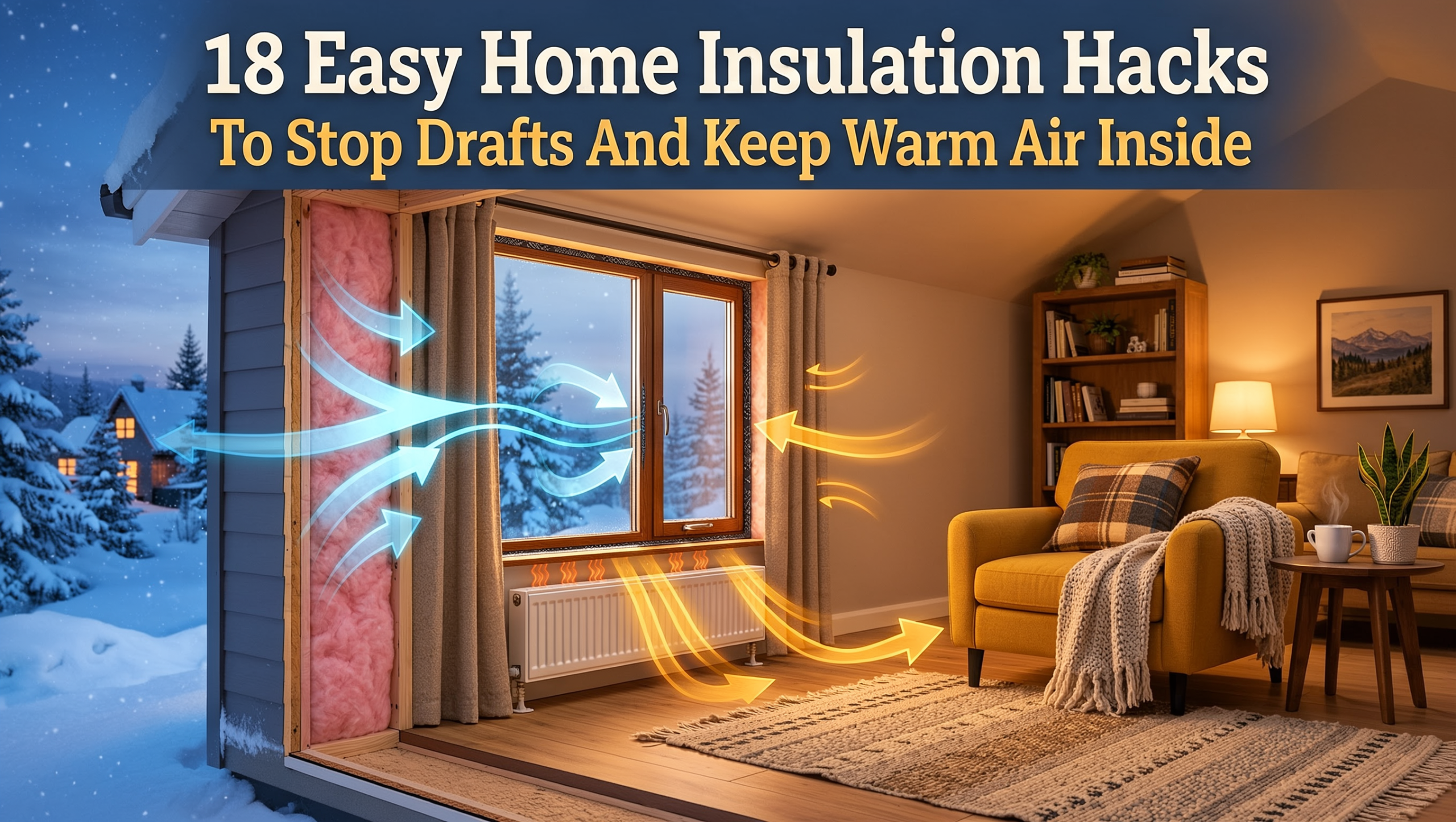
On Your Home Your Heart, eliminate chilly drafts and lower your winter heating bills today with 18 simple, budget-friendly home insulation hacks designed for renters and homeowners alike.
Cold air can slip under a door, around a window, or through a tiny gap near a pipe. You may feel it as a chilly line across the floor or notice that your furnace runs longer than usual. That constant heat loss can leave rooms cold and push up your winter heating bills. Winter home insulation does not always require new walls, costly work, or a full remodel. Small repairs can make a room feel warmer in the same day.
I put this guide together for renters, homeowners, and anyone living in an older house who wants better comfort without spending a fortune. You will find 18 simple ideas for draft proofing, from adding a door sweep to sealing gaps around outlets, pipes, and cables. Most tasks need only a few supplies, such as caulk, foam tape, rugs, clear film, or reflective panels. You can start with one cold room and build from there.
Each fix serves a clear purpose. Some stop cold air from entering, while others help warm air stay in the room longer. A door sweep may solve a draft at floor level, but it will not fix a poorly sealed attic hatch. Plastic window film can reduce cold glass, but it will not repair damaged frames. This guide helps you spot those limits, choose the right fix, and work in the order that makes sense for your home. Use a tissue test to find hidden leaks, work safely near heat sources, and check your progress with your hand on the wall or floor. Next steps are simple: find the draft, seal the gap, and enjoy a warmer space.

18 Easy Home Insulation Hacks to Stop Drafts and Keep Warm Air Inside (Without a Major Remodel!)

1. Seal the Front Door With a Simple Door Sweep

A sealed front door creates a warmer, calmer entry by stopping cold air at floor level. Even a narrow gap beneath the door can send a steady draft across tile, hardwood, or laminate. A flexible door sweep closes that opening while keeping the doorway easy to use. Choose black rubber for a modern look, brushed metal for a classic entry, or a clear style for a subtle finish.
Measure the door before shopping, then clean and dry its bottom edge. Adhesive foam suits renters and light use, while screw-on rubber or aluminum lasts longer on busy entrances. Add a washable runner inside the doorway for softer footing and extra protection from snowy, chilly air.
Use these details to create a closer, longer-lasting seal:
– Pair a rubber sweep with a washable entryway runner
– Measure the door width before cutting any sweep material
– Install silicone styles near wet, snowy exterior entrances
– Keep grit away from the sweep to prevent early wear
This small upgrade makes the entry feel more comfortable immediately. Smooth rubber, woven runners, and warm wood tones can also make draft control feel like a thoughtful part of the room’s design.
Seal the Front Door With a Simple Door Sweep
Editor’s Choice

Draught Excluder Tape for Door Window, Self-Adhesive Weather Stripping, …
 AmazonUSD 6.55

2Pack Total 177cm Hard Draft/Draught Excluder for Doors, Seal Strip
AmazonUSD 13.12
Molten Creek® Draught Excluder Door Stopper, Shredded Memory Foam Door …
AmazonUSD 14.442. Add Weatherstripping Around Exterior Doors

Exterior doors need a soft, flexible border to stop cold air around their sides and top. A closed door may look tight while small gaps still let winter air slip through the frame. Weatherstripping fills those spaces and can make an entry feel quieter, warmer, and more settled. Choose white foam for a discreet look, dark rubber for contrast, or bronze-toned metal for traditional doors.
Clean the frame first, then measure each side separately because older frames are rarely perfectly square. Foam tape costs little and removes easily, while silicone, rubber, and V-shaped strips usually handle frequent use better. Close the door several times to confirm the seal creates gentle pressure without forcing the latch.
Check the fit with these simple installation steps:
– Pair narrow foam tape with smooth, clean door frames
– Install V-shaped strips along uneven older exterior frames
– Press each section firmly before trimming the corners
– Test the paper seal around every frame edge
A properly fitted strip disappears into the doorway while improving comfort. Soft rubber edges and neat frame lines keep the repair practical without making the entrance look patched or unfinished.
Add Weatherstripping Around Exterior Doors
Editor’s Choice

236”/6M D-Shape Rubber Door Sealing Strip for 2.5-6mm Gap,Black
AmazonUSD 7.80Draught Excluder Tape for Door Window, Self-Adhesive Weather Stripping, …
AmazonUSD 6.55Draught Excluder Tape for Door Window, Self-Adhesive Weather Stripping, …
AmazonUSD 6.553. Install Clear Window Insulation Film

Clear window film adds an almost invisible layer between your room and cold glass. It works by creating a still air pocket that slows heat loss while preserving daylight and outdoor views. This simple treatment suits bedrooms, offices, and guest rooms where a chilly window makes the whole space feel uncomfortable. The smooth finish pairs well with pale walls, natural wood, and light linen curtains.
Clean the glass and frame carefully so the double-sided tape grips firmly. Cut the film several inches larger than the opening, attach it with slight slack, then shrink it gently with a moving hair dryer. Renters can usually remove the film in spring, while homeowners may use it as a seasonal layer for older windows.
Follow these steps for a clearer, tighter finish:
– Wash the glass with a lint-free cloth before installation
– Cut film several inches beyond every window edge
– Press double-sided tape firmly into each corner
– Shrink the surface slowly with low, moving heat
Clear film helps the indoor side of the glass feel warmer without bulky panels. Pair it with thermal curtains and soft rugs for a cozy winter setting, while keeping heaters and candles safely away from the plastic.
Install Clear Window Insulation Film
Editor’s Choice

tesa 05432 Insulating Film for Windows, Transparent 4m x 1.5m (max)
AmazonUSD 15.60
Merriway BH04948 Self Adhesive Heavy Duty Double Sided Clear Tape for Wi…
AmazonUSD 6.55
1.6m x 10m Window Insulation Kit, Plastic Clear Film, Tear Resistant Hea…
AmazonUSD 15.624. Hang Thermal Curtains the Smart Way

Thermal curtains make cold windows feel less exposed while adding softness, color, and privacy to a room. Dense woven fabric and a close-fitting lining slow heat loss through the glass. Floor-length panels in oatmeal, deep green, or warm gray can frame the window beautifully without overpowering the space. The best results come from covering beyond the window, not just filling the glass opening.
Mount the rod several inches above the frame and extend it past both sides whenever possible. A wraparound or ceiling-mounted rod reduces side gaps, while a removable tension rod offers a renter-friendly choice for lighter panels. Open the curtains on sunny afternoons, then close them before evening temperatures fall.
Improve the curtain setup with these practical adjustments:
– Pair lined panels with a close-fitting wraparound curtain rod
– Install floor-length fabric beside tall, drafty windows
– Use magnetic edge seals along especially cold window sides
– Keep curtains above radiators and heating vents
Thermal curtains create a warmer visual frame around the room and soften outside noise. Woven cotton, velvet, and quilted linings add useful texture while helping your seating area feel more comfortable during cold evenings.
Hang Thermal Curtains the Smart Way
Editor’s Choice

Curtain Poles for Blackout Eyelet Curtains, Wrap Around Rod 70-123cm Silver
AmazonUSD 17.06
Window Insulation Kit, Thermal Insulated Cover Curtain, Single Piece Scr…
AmazonUSD 10.51
Deconovo Blackout Curtains Bedroom Thermal Black Curtains 46″x 54″ 1 Pair
AmazonUSD 14.495. Caulk Tiny Cracks Along Frames and Baseboards

Small cracks around trim can make a room feel colder than its thermostat setting suggests. Air slips through joints at window frames, door casings, baseboards, and fixed pipe covers. A neat line of flexible caulk closes these pathways and gives painted edges a cleaner, more finished appearance. White caulk blends into light trim, while paintable formulas let you match deeper wall colors later.
Use acrylic latex for many indoor trim joints and silicone where moisture is common. Remove loose material, wipe away dust, and apply a thin, steady bead to the dry surface. Painter’s tape helps create crisp edges, while a damp finger or finishing tool smooths the line before it skins over.
Inspect and seal these common draft points:
– Caulk narrow joints between window frames and walls
– Smooth gaps where baseboards meet hard flooring
– Seal fixed trim around exterior door openings
– Inspect corners near pipe covers and utility panels
Caulk works quietly behind the scenes, filling spaces that larger insulation products miss. Its clean line supports a polished room while reducing the cold movement that can make floors, walls, and window seats feel uncomfortable.
Caulk Tiny Cracks Along Frames and Baseboards
Editor’s Choice

Amazon Basics Heavy Duty Sealant Caulking Gun – 310 ml (0.3 Litres) – 12…
AmazonUSD 8.20
Gorilla Window & Door White Silicone Sealant, 295ml – Mould Resistant,…
AmazonUSD 14.44
Sika Caulk Once Premium Quality Acrylic Caulk – Highly Flexible – Fa…
AmazonUSD 3.536. Fit Foam Gaskets Behind Outlets and Switch Plates

Outlets and switches on exterior walls can create small but noticeable cold spots. Gaps around the electrical box allow outside air to travel behind the cover plate and into the room. A thin foam gasket seals the plate’s outer edge without changing the wiring. White gaskets disappear beneath standard covers, making this a practical fix for bedrooms, offices, and living rooms.
Turn off the circuit at the panel, test the outlet, and remove the cover carefully. Place the matching gasket behind the plate, then reinstall the screws without overtightening. Never put foam inside the electrical box, and stop immediately if you see scorched wiring, moisture, loose connections, or damaged components.
Focus this small repair on the following locations:
– Install gaskets on outlets along exterior-facing walls
– Fit seals behind loose or uneven switch plates
– Check switches beside unheated garages and porches
– Keep specialty devices and childproof covers unobstructed
Several sealed plates can reduce chilly spots across one wall. The nearly invisible material keeps the room looking tidy while adding another careful layer to your home’s winter air barrier.
Fit Foam Gaskets Behind Outlets and Switch Plates
Editor’s Choice

Dekton 6pc Insulated Screwdriver Set-6 Insulated Screwdrivers With Magne…
AmazonUSD 10.76
Outlet Insulators Draft Sealers, 30 Pack Electrical Outlet Insulation Pa…
AmazonUSD 19.48
A1 Voltage Tester/Non-Contact Voltage Tester with Range AC 12V-1000V/48V…
AmazonUSD 10.497. Cover Cold Floors With Rugs and Runners

Rugs bring immediate comfort to cold tile, hardwood, and laminate floors. These surfaces can pull warmth away from your feet even when the room itself is heated well. A thick rug and secure pad create a softer insulating layer beneath beds, sofas, reading chairs, and workstations. Natural jute adds earthy texture, while wool, cotton, or washable synthetic fibers offer different levels of warmth and care.
Place rugs where people stand and walk most often, especially beside beds, near kitchen sinks, and along drafty halls. Use a felt or rubber pad that suits the flooring and prevents curled edges. If a floor above a basement or crawlspace stays unusually cold, inspect below for dampness, missing insulation, or obvious air leaks.
Use rugs strategically for better comfort and airflow:
– Place runners near exterior doors and cold hallways
– Add thick pads beneath rugs over chilly flooring
– Choose washable fibers for snowy entryways and kitchens
– Keep floor registers uncovered beneath nearby rugs
Rugs cannot repair a serious insulation or moisture problem, but they make daily life feel warmer quickly. Layered textures also soften echoes, define seating areas, and give practical winter comfort a welcoming decorative role.
Cover Cold Floors With Rugs and Runners
Editor’s Choice

Felt Rug Pad with Non-Slip, 120x180cm Rubber Backing Rug Underlay, Under…
AmazonUSD 31.51
Arthur Cameron – Flokati Cream Wool Rug (110 x 170cm, 1400 grm/sqft)
AmazonUSD 107.69
Homatz Hallway Runner Rug Heavy Duty Non-Slip Rubber Back, Grey 60x120cm…
AmazonUSD 20.678. Block Interior Door Gaps With Draft Stoppers

Interior doors can carry cold air from basements, garages, porches, laundry rooms, and unused bedrooms into warmer spaces. A fabric draft stopper blocks that low stream and makes the adjoining room feel less exposed. Choose a woven cotton tube for a relaxed look, a velvet door snake for added weight, or a slide-on guard for doors that open often. Matching the fabric to nearby rugs helps the fix blend naturally into the room.
Measure the door width so the stopper reaches both corners without dragging. You can buy one, sew a tube filled with dried beans, or use a weighted cushion. Keep fabric dry, and never block a required exit, self-closing fire door, or safe access route between living areas.
Place the stopper where cold air travels most noticeably:
– Position one across the basement stairway door
– Add one between cold halls and heated bedrooms
– Choose washable covers for homes with pets
– Use slide-on guards for frequently opened doors
This low-cost barrier reduces floor-level drafts with almost no setup. Soft fabric, stitched details, and warm neutral colors let it function as both a comfort tool and a simple seasonal accent.
Block Interior Door Gaps With Draft Stoppers
Editor’s Choice

Marwood Under Door Draught Excluder 91cm Wind Stopper for Door & Window,…
AmazonUSD 21.00
Vellure® Premium Door Draft Excluder Strip – Door Seal for Energy Savin…
AmazonUSD 12.22
Set of 2 Dual-Layer Door Brush Strip 61mm (2.4″) × 880mm (34.6″) | Extr…
AmazonUSD 59.099. Check the Fireplace Damper and Add a Chimney Balloon

An unused fireplace can pull warm indoor air upward through the chimney and leave the room feeling chilly. A closed, working damper slows that heat loss, while a removable chimney balloon can add another layer inside an unused flue. The fireplace remains a strong visual feature when paired with a fitted screen, neatly stacked logs, or a simple mantel arrangement. Safety must come before every insulation benefit.
Confirm that the fire is fully cold before checking the damper or installing any approved flue blocker. Choose a product sized for the chimney and mark it clearly so everyone remembers to remove it before lighting a fire. Never block a vent serving a gas appliance or a chimney that remains in use, and arrange professional inspection if soot, moisture, nesting, or creosote appears.
Prepare the fireplace with these safety-focused steps:
– Close the damper only after all embers cool
– Check the flue for soot, water, or nesting
– Mark removable blockers with a clear household reminder
– Keep curtains, screens, and fabrics away from heat
A sealed unused fireplace can make an older room feel noticeably calmer and warmer. Glass, brick, iron, and natural wood add texture around the hearth while supporting safer, more thoughtful winter comfort.
Check the Fireplace Damper and Add a Chimney Ba…
Editor’s Choice


Chimney Balloon Medium 14 x 24 Inch Inflatable Draught Excluder
AmazonUSD 24.96
Unibos 4 Panel Fireplace Fire Guard Black Metal Mesh Screen 120 x 80 cm
AmazonUSD 30.1410. Place Reflective Panels Behind Radiators

A radiator on an exterior wall can send some warmth into the wall instead of back toward the room. A heat-rated reflective panel redirects more of that existing warmth into the living space. This solution works especially well beneath cold windows and in older homes with solid outside walls. A slim silver panel stays discreet, while a neatly cut white-faced version blends more quietly with painted walls.
Turn the radiator off and let it cool before measuring the space behind it. Use a product made for radiators rather than ordinary kitchen foil, then cut it to fit without covering fins, pipes, valves, vents, or controls. Dust the radiator gently and keep furniture several inches away so warm air can rise and circulate.
Support the panel with these simple room adjustments:
– Install heat-rated reflective panels behind exterior radiators
– Keep sofas and cabinets several inches away
– Dust radiator fins before placing the panel
– Leave valves, pipes, and vents fully accessible
The panel does not create new heat, but it helps direct existing warmth where people sit. Reflective surfaces, painted metal, and clear space around the radiator can make the heating zone feel more even without raising the thermostat.
Place Reflective Panels Behind Radiators
Editor’s Choice

Dpm tapes – 3M VHB GPH-110GF Extra-Strong Double-Sided Acrylic Foam Tape…
AmazonUSD 7.87
Radiator Reflector Panels, Radiator Reflective Foil Insulation for Save …
AmazonUSD 14.96
Radiator Foil Reflector Roll 5m x 60cm – Heat Reflective Radiator Foil…
AmazonUSD 22.3211. Insulate Exposed Heating Pipes and Water Pipes

Exposed pipes in basements, garages, crawlspaces, and utility closets can lose heat before it reaches the rooms above. Foam sleeves slow that loss on hot-water lines and can reduce condensation on cold pipes. The clean tubular finish also makes unfinished utility areas look more orderly. Black foam is common, while pre-cut elbow pieces create neater bends around corners.
Measure the pipe diameter before buying insulation and choose a sleeve that fits snugly without crushing. Cut straight sections with a sharp knife, join seams with approved tape, and leave valves, service points, and pressure devices accessible. Keep foam away from flues, boilers, furnace surfaces, lamps, and other areas that need heat clearance.
Install pipe insulation with these careful habits:
– Measure pipe diameter before choosing foam sleeves
– Cover long hot-water runs through unheated spaces
– Leave valves and service points easy to reach
– Replace cracked, flattened, or damp insulation sections
Pipe sleeves may not create an instant visual change in living rooms, yet they protect warmth where it travels through cold zones. A tidy utility area with consistent insulation can support comfort, energy savings, and better winter protection.
Insulate Exposed Heating Pipes and Water Pipes
Editor’s Choice

Pipe Insulation Foam Wrap, 6cm x 10m Pipe Lagging Foam Tape
AmazonUSD 14.96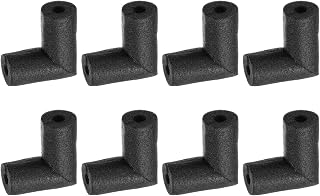
8pcs Elbow Insulation Foam Tube Connector 15x38mm 3″ Heat Preservation E…
AmazonUSD 11.81
Pipe Lagging Foil Insulation Wrap 7.5m x 80mm – Thermal Energy Saving fo…
AmazonUSD 10.3612. Tighten and Insulate the Attic Hatch

An attic hatch acts like a small doorway in the top of your home, allowing warm air to escape upward when its edges are loose. Sealing the frame and insulating the attic side helps preserve warmth in hallways, bedrooms, and upper floors. A finished hatch can remain nearly invisible below, while a fitted cover keeps the attic side neat and protected. This is one of the most useful small air-sealing projects in a house.
Check that the panel closes flat, then add adhesive weatherstripping around the frame so it compresses gently. Attach rigid foam to a flat hatch only when it will not interfere with hinges, wiring, or the latch. For pull-down stairs, choose a manufactured insulated cover rather than loose blankets. Correct dampness, roof leaks, and poor ventilation before sealing the opening.
Check the hatch with these practical installation details:
– Add weatherstripping around the complete hatch frame
– Attach rigid foam without blocking latches or wiring
– Install fitted covers over pull-down attic stairs
– Keep insulation clear of recessed lights and fixtures
A tight hatch reduces drafts without changing the room’s appearance. Smooth trim below and clean foam insulation above create a simple, effective barrier that helps upper rooms feel less chilly.
Tighten and Insulate the Attic Hatch
Editor’s Choice

Attic Door Insulation Cover,54” x 25” x 11” Extra Thick Double Bubble…
AmazonUSD 24.93
Pack of 12, Soudal Decorator Caulk Gap & Crack Filler Acrylic Silicone A…
AmazonUSD 23.58
Draught Excluder Self Adhesive Foam Tape 6mm(W) x 3mm(T) Window Door Wea…
AmazonUSD 7.4113. Seal Gaps Around Pipes, Cables, and Wall Penetrations

Openings around pipes, cables, and utility lines often hide behind cabinets, trim, and basement ceilings. Cold air can move through these gaps along with insects and moisture, making kitchens, bathrooms, and rooms above garages feel unsettled. Sealing the opening creates a cleaner edge and strengthens the home’s air barrier. White caulk suits finished rooms, while backer rod or foam handles larger hidden spaces.
Use acrylic latex or silicone for small indoor gaps, backer rod for deep joints, and low-expansion foam for suitable larger openings. Choose fire-rated sealant where the wall assembly requires it, and apply only enough material to close the space. Protect floors and cabinets because expanding foam can be difficult to remove once cured.
Inspect these hidden areas during a careful room-by-room check:
– Seal openings beneath kitchen and bathroom sinks
– Close gaps around cables entering exterior walls
– Fit material around heating pipes crossing floors
– Inspect basement ceilings near rim-joist openings
Never cover drainage openings, service access, combustion-air paths, or parts that need movement. A neat seal around an otherwise forgotten penetration can make the room feel warmer while keeping the finished design clean and uncluttered.
Seal Gaps Around Pipes, Cables, and Wall Penetr…
Editor’s Choice

Everbuild Foam Sealant Joint Backer Rod 20mm x 10 Metre
AmazonUSD 15.63
2 x Caulk Rope Draught Excluder Rolls – 26m Self Adhesive Re-Usable Bu…
AmazonUSD 15.71
Mouse and Pest Barrier Foam 400ml | Expanding PU Foam for Sealing Gaps, …
AmazonUSD 16.6614. Use Removable Plastic Storm Panels on Extra-Cold Windows

Some windows stay cold even after film and curtains are in place. A removable interior storm panel adds a deeper still-air space in front of the glass, making nearby seating areas feel more comfortable. Clear acrylic keeps the view open, while magnetic or compression-fit designs suit renters and seasonal use. The simple panel works especially well for single-pane windows, basement rooms, and older frames.
Measure carefully so the insert fits closely without forcing the frame. Clean the opening, add a removable gasket around the edges, and check that the panel does not block an emergency escape window. Keep acrylic away from radiators, candles, and hot lamps, and store it flat in spring to prevent warping or scratches.
Improve the seasonal panel with these useful details:
– Choose clear acrylic for bright, open window views
– Add removable gaskets around every panel edge
– Clean both sides before the coldest weather
– Store panels flat away from direct sunlight
A storm insert can make a cold window feel warmer without replacing it. Clear plastic, slim edges, and careful placement preserve the room’s style while adding a practical layer of winter insulation.
Use Removable Plastic Storm Panels on Extra-Col…
Editor’s Choice

DIY Magnetic Window Insulation kit Transparent Film with White Frame Max…
AmazonUSD 39.06
MIGIFTDY Window Insulation Film Kit with Adhesive Straps(1.7×1.6m)
AmazonUSD 17.0615. Keep Registers Clear and Add Simple Vent Deflectors

A blocked register can make a room feel cold even when the heating system is working properly. Rugs, sofas, baskets, and long curtains may stop warm air from reaching the center of the room. Clearing the path often improves comfort before you buy any insulation product. A low-profile vent deflector can guide warmth around furniture while keeping the floor visually tidy.
Move furniture several inches from floor registers and keep curtains above the opening. Choose a deflector that fits securely without rattling, and never cover a register required for heating or safe airflow. Check return-air grilles as well, then replace dirty filters with the correct size according to the system instructions.
Make these quick airflow adjustments around the room:
– Move rugs away from active floor registers
– Install clear deflectors beneath overhanging furniture
– Keep curtains above vents and return-air grilles
– Replace filters according to the system schedule
Better airflow helps existing heat reach occupied areas instead of collecting beside walls. Clear vents, simple metal or plastic guides, and open floor space can improve warmth without adding visual clutter or raising the thermostat.
Keep Registers Clear and Add Simple Vent Deflec…
Editor’s Choice

1 Pack Air Vent Extender for Under Furniture, Adjustable Floor Vent Defl…
AmazonUSD 53.54
2 Pack Heat & Air Magnetic Vent Deflector, Plastic Vent Redirector
AmazonUSD 25.0616. Reverse Ceiling Fans to Push Warm Air Down

Warm air gathers near the ceiling while people sit in the cooler layer below. A ceiling fan running slowly in winter mode can move that trapped warmth down along the walls and improve comfort at living level. This works especially well in rooms with high ceilings, open stairwells, or heating sources below. The gentle movement should feel almost unnoticeable, not like a cooling breeze.
Turn the fan off before changing its direction, then select the winter setting recommended by the manufacturer. Start at the lowest speed and watch for a breeze across your face. Dust the blades, check that the fixture is balanced, and turn the fan off when windows are open or the room is empty.
Use the fan as a quiet part of your heating routine:
– Run the fan clockwise at the lowest setting
– Keep blades clean for smoother, quieter circulation
– Check that the fixture stays balanced and secure
– Turn fans off when ventilating with open windows
A slow fan can make temperatures feel more even without changing the room’s style. Wood blades, woven shades, and simple ceiling fixtures add texture while helping warm air settle where your household spends time.
Reverse Ceiling Fans to Push Warm Air Down
Editor’s Choice

Universal Replacement Remote Control for Ceiling Fan with Lights, Infrar…
AmazonUSD 11.28

HUNTER FAN Builder Deluxe, 132 cm, Indoor Ceiling Fan with light and Pul…
AmazonUSD 275.8217. Seal and Insulate a Pet Door

A pet door gives animals freedom, yet its flap can become a constant opening for cold air. Worn brushes, cracked plastic, and gaps around the frame may leave the room feeling drafty all day. A better-fitting flap or insulated multi-layer design keeps the opening useful while helping the room hold warmth. Choose a flap color and finish that blends with the door instead of making the repair look temporary.
Inspect the flap, hinges, magnets, and frame for dirt, warping, or damage. Replace worn seals with the correct model, then caulk small gaps around the frame without blocking drainage channels. Make sure the flap opens easily and never create sharp edges or a heavy barrier that could frighten or injure your pet.
Reduce winter drafts with these pet-friendly adjustments:
– Replace cracked flaps with properly sized insulated models
– Clean fur and dirt from magnetic closure edges
– Add a soft indoor curtain during cold overnight hours
– Keep pet bedding away from the draft path
A sealed pet door protects comfort without removing your animal’s independence. Flexible flaps, soft fabric, and clean frame lines can support both a warmer room and a welcoming pet-friendly design.
Seal and Insulate a Pet Door
Editor’s Choice

Cat Mate 4-Way-Lock Flap with Liner to 50mm for Small & Average Cats, White
AmazonUSD 18.97
Upgraded Silicone Draught Excluder for Doors – Self-Adhesive Door Seal…
AmazonUSD 12.45
Uross Dog Door Replacement Flaps – 180CM Ruff Weather DIY Cat Dog Door F…
AmazonUSD 22.3218. Find Leaks With a Tissue Test and Fix Them in Order

A tissue test helps you find the drafts that deserve attention first. On a windy day, hold a thin tissue near door frames, window trim, baseboards, outlets, and pipe openings. Movement points to unwanted air travel, allowing you to fix real leaks instead of sealing random areas. This method works in any room and costs almost nothing, making it a smart starting point for winter comfort.
Move slowly around the room and test both low and high points. Mark problem areas with removable tape, then begin with exterior doors, attic hatches, large window gaps, and utility penetrations. Never use a candle, match, or lighter for testing, especially near curtains, furniture, children, or gas appliances. Recheck each area after making a repair.
Follow this repair order for a more focused result:
– Test exterior doors and attic hatches first
– Seal large window gaps and cracked fixed trim
– Close pipe, cable, and outlet penetrations
– Finish with smaller baseboard and floor gaps
The tissue test turns draft proofing into a simple home detective task. Careful repairs can make rooms feel warmer while neat seals, clean trim, and organized notes keep the finished home looking polished.
Find Leaks With a Tissue Test and Fix Them in O…
Editor’s Choice

Wakhow 20 Pcs Wall Insulation Outlet Insulators Draft Sealers, 20 Pack E…
AmazonUSD 21.03
3cm x 10m Window Sealing Tape, Adhesive Window Draft Seal Weather Strips…
AmazonUSD 9.18tesa 05432 Insulating Film for Windows, Transparent 4m x 1.5m (max)
AmazonUSD 15.60Conclusion: Build a Warmer Home One Small Fix at a Time

Better winter home insulation does not have to begin with a contractor, a huge budget, or a weekend of tearing into walls. Start with the draft you can feel, seal the easiest gap, and add comfort layers such as rugs, thermal curtains, and radiator reflectors as your time allows.
These small repairs work together to reduce heat loss, improve energy efficiency, and make cold rooms feel more welcoming. Share the hack that helped your home most, then keep checking for new gaps after every windy winter storm.
Note: We aim to provide accurate product links, but some may occasionally expire or become unavailable. If this happens, please search directly on Amazon for the product or a suitable alternative.
This post contains Amazon affiliate links, meaning we may earn a small commission if you purchase through our links, at no extra cost to you.




Author

judieannrose@live.co.uk
Related posts

Internal Door Styles That Make A Home Feel Finished
Here is a practical guide to the main styles and how to pick the ones that will make your space feel complete.
Read out all
The Four Hidden Mould Hotspots Living In Everyday Homes
While most households focus their cleaning efforts on scrubbing bathroom tiles and kitchen corners, mould thrives quietly in dry, unsuspecting spots where...
Read out all
Willow & Woods Are Rediscovering A Pre-Raphaelite Heritage Through Wallpaper
British design studio Willow & Woods has launched Margaret: The Visitor's Book Collection, an exquisite series of eight hand-drawn wallpapers directly inspired...
Read out all
10 Strategic Home Improvements That Add The Most Value Before Selling
Preparing a house for the property market requires a calculated approach, focusing heavily on strategic upgrades that yield the highest return on...
Read out all
20 Winter Home Maintenance Tasks That Could Save You Thousands (Don’t Skip #7!)
Initiating these protective steps shields households from severe hazards. Attention to detail matters, such as properly draining outdoor faucets to prevent trapped...
Read out all
14 Halloween Table Decor Ideas For A Wickedly Stylish Tablescape (Your Guests Won’t Stop Talking About #6!)
This guide provides practical Halloween table decor ideas that blend dark color palettes, gothic charcuterie, moody glassware, and warm candlelight without cluttering...
Read out all